Dangerous Heat Index Grips Pakistan: What You Need to Know About Heat Illness Prevention
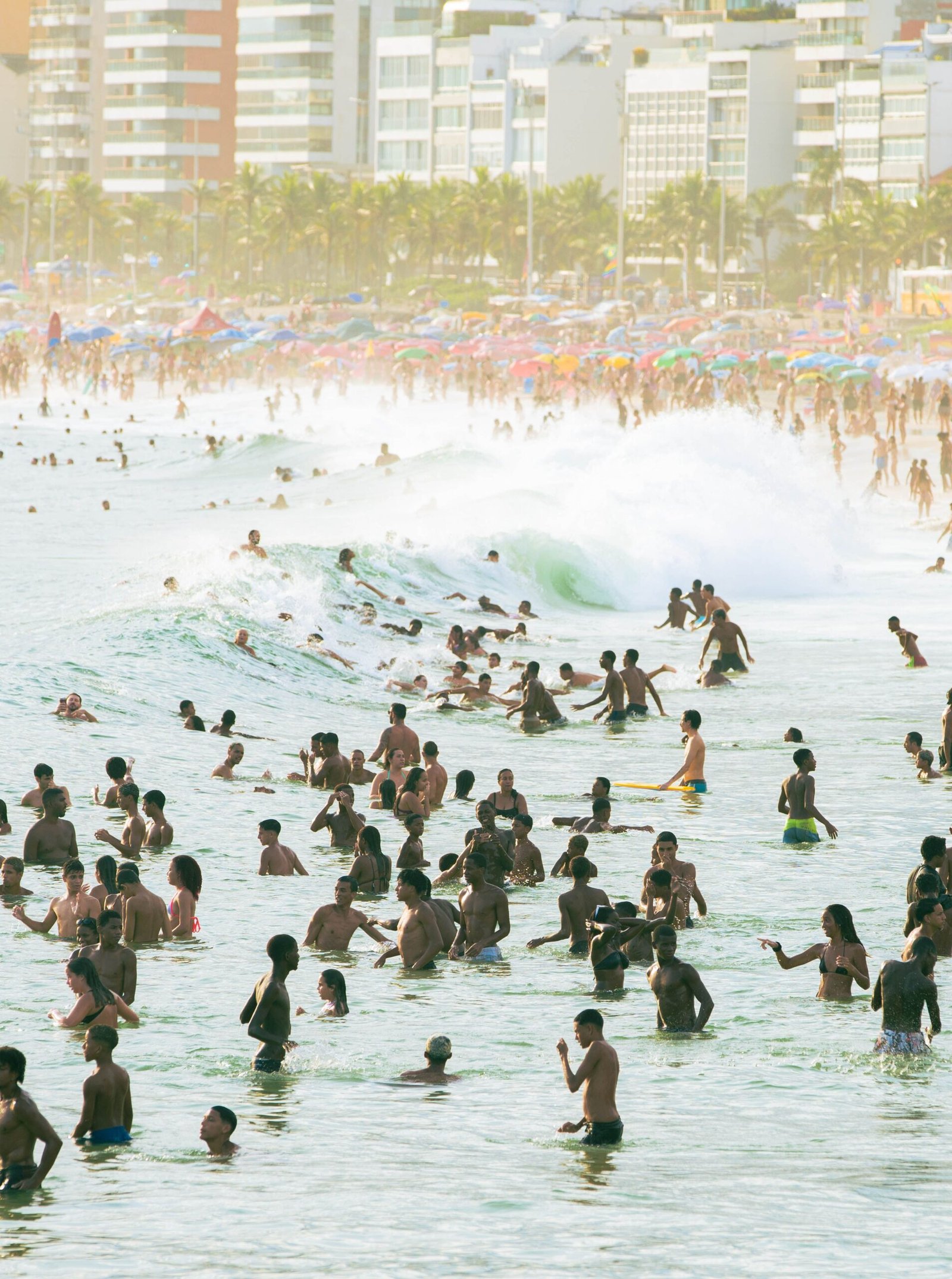
Pakistan is experiencing dangerous levels of heat this week. The actual air temperature might be high, but the real danger comes from something called the “heat index”—what the air actually feels like when you factor in moisture. In parts of Balochistan, the heat index has reached 50°C (122°F), making outdoor activity potentially life-threatening.
News Anchor 24 spoke with meteorologists and medical professionals to explain what’s happening, why it’s dangerous, and how to protect yourself and your family.
Understanding Heat Index vs. Temperature
What’s the Difference?
Most weather reports give you the “dry bulb temperature”—what a thermometer reads. But when moisture is in the air, your body struggles to cool itself through sweating because sweat can’t evaporate effectively.
The “heat index” or “apparent temperature” combines actual temperature with humidity to show what the weather actually feels like to your body.
Example:
- Actual Temperature: 45°C with 30% humidity
- Feels Like (Heat Index): 48°C
- Actual Temperature: 40°C with 60% humidity
- Feels Like (Heat Index): 52°C
This is why Pakistan’s coastal cities (Karachi, Balochistan) often feel more oppressively hot than inland areas—the ocean moisture increases the heat index significantly.
What’s Happening Now?
Current Conditions (Week of July 7-13, 2026)
Pakistan’s Meteorological Department issued warnings for:
- Balochistan (especially Sibi, Jacobabad): Heat index reaching 50-52°C
- Sindh (Karachi, Hyderabad): Heat index 48-50°C with coastal humidity
- Punjab (Southern portions): Heat index 45-47°C
- KPK: Relatively lower heat index, but still dangerous in valley areas
Why is Sibi So Hot?
Sibi, in Balochistan, consistently ranks among Pakistan’s hottest places for good reasons:
- Desert location with minimal vegetation to absorb heat
- Few water bodies to moderate temperatures
- Geographic position in a valley where heat gets trapped
- Low humidity (ironically) means intense radiant heat from the sun
While low humidity sounds better than moisture-laden heat, direct sun radiation in the desert is brutally intense.
Health Risks: Heat-Related Illnesses
Heat Exhaustion (Early Warning)
Symptoms:
- Heavy sweating
- Weakness or fatigue
- Dizziness or lightheadedness
- Headache
- Muscle cramps
- Nausea
- Rapid pulse
- Pale, clammy skin
What to Do:
- Move to a cool place immediately
- Drink cool water (not ice cold—it can shock your system)
- Apply cool, wet cloths to skin
- Take a cool bath if possible
- Rest until symptoms improve
- Seek medical attention if symptoms worsen or don’t improve within an hour
Heat Stroke (Medical Emergency)
Heat stroke is life-threatening and requires immediate emergency response.
Symptoms:
- High body temperature (40°C/104°F or higher)
- No sweating despite high temperature (this is dangerous—your cooling system has failed)
- Red, hot, dry skin
- Confusion or altered mental state
- Loss of consciousness or seizures
- Rapid, weak pulse
- Nausea or vomiting
What to Do (CALL 999 EMERGENCY IMMEDIATELY):
- Call emergency services immediately—this is life-threatening
- Move the person to cool shade
- Immerse in cool water if possible (even as ambulance is coming)
- Apply ice packs or cool wet cloths to neck, armpits, groin (where major blood vessels are close to skin)
- Do NOT give fluids orally if person is unconscious
- Continue cooling until emergency services arrive or body temperature drops
Who’s Most at Risk?
Certain groups face higher risk during extreme heat:
- Elderly (60+ years): Bodies regulate temperature less effectively
- Infants and Young Children: Can’t communicate discomfort effectively and dehydrate quickly
- Pregnant Women: Metabolic demands increase heat production
- People with Chronic Conditions: Heart disease, diabetes, respiratory conditions can be exacerbated
- Outdoor Workers: Construction, agriculture, delivery workers are directly exposed
- People on Certain Medications: Some medications impair heat regulation
- Individuals with Low Income: May lack access to cooling, healthcare, or adequate water
Practical Heat Safety Guide
Hydration: The Most Important Defense
Drink water constantly:
- Don’t wait until you’re thirsty—thirst is a late indicator of dehydration
- Drink at least 2-3 liters of water daily during extreme heat
- For outdoor workers: drink 250-500ml of water every 15-20 minutes
- Avoid or limit: alcohol, caffeine (coffee, tea), sugary drinks—they increase dehydration
Water for everyone: Make sure elderly relatives, children, and workers have constant access to clean water.
Timing & Location: Avoid Peak Heat
- Stay Indoors: 11 AM to 4 PM is when heat is most intense
- If You Must Go Out: Early morning (before 10 AM) or evening (after 6 PM) is safer
- Seek Shade: Trees, buildings, or structures significantly reduce radiant heat
- Use Sun Protection: Wide-brimmed hat, lightweight long sleeves, sunscreen (SPF 30+)
Clothing Choices Matter
- Loose-Fitting: Allows air circulation and sweat evaporation
- Light Colors: White and light colors reflect heat; dark colors absorb it
- Natural Fabrics: Cotton, linen allow better air movement than synthetics
- Wet Clothes: In extreme heat, wet cotton clothing can help cool your body
Home Cooling Strategies
- Air Conditioning: Keep AC at reasonable temperature (26-27°C is adequate and saves electricity)
- Fans: Ceiling fans with AC create air circulation without using excessive electricity
- Window Coverings: Close curtains/blinds during day to block sunlight; open windows at night when cooler
- Wet Towels: Hang damp towels to provide evaporative cooling
- Reduce Heat Sources: Minimize use of ovens, reduce artificial lighting
Outdoor Workers: Critical Guidelines
For construction workers, agricultural laborers, delivery personnel, and others who work in heat:
- Work Schedule: Start early (5-6 AM), take break during peak heat, resume late afternoon
- Rest Frequently: Take 10-15 minute breaks every hour in shade
- Hydration Stations: Employers must provide access to water and electrolyte drinks
- Supervision: Work in pairs; watch colleagues for signs of heat illness
- Protective Gear: Hats, light clothing, sunscreen
- Know Your Symptoms: If feeling dizzy or weak, report immediately and rest
Special Precautions for Vulnerable Groups
For Elderly:
- Check on elderly relatives daily during heat waves
- Ensure they have water available at all times
- Help them stay cool indoors if possible
- Monitor for confusion or unusual behavior (early heat illness signs)
For Children:
- Never leave children in parked cars (even with windows open, temperature becomes deadly within minutes)
- Keep children hydrated—offer water frequently
- Dress children in light clothing
- Supervise outdoor play; limit to early morning or evening
- Watch for excessive lethargy or crying (signs of distress)
For Pregnant Women:
- Stay hydrated; pregnancy increases fluid needs
- Avoid intense activity during peak heat
- Consult doctor about warning signs specific to pregnancy in heat
- Rest frequently with feet elevated
Role of Pakistan’s Government & Public Health
What Authorities Are Doing
- Pakistan Meteorological Department: Issues heat wave warnings and forecasts
- National Disaster Management Authority (NDMA): Activates contingency plans during heat emergencies
- Health Ministry: Prepares hospitals for heat-related patient surges
- Provincial Governments: Open cooling centers in affected areas (especially for homeless/vulnerable)
Public Health Campaigns
During extreme heat periods, health authorities broadcast information on:
- Heat illness recognition and first aid
- Hydration and protective measures
- Vulnerable population care
- Heat emergency hotlines
Climate Context: Why Heat Waves Are Getting Worse
Pakistan is experiencing more frequent and intense heat waves. Climate scientists attribute this to:
- Global Climate Change: Rising average global temperatures create more extreme heat events
- Urban Heat Islands: Cities absorb and retain more heat than surrounding rural areas
- Deforestation: Loss of trees reduces natural cooling
- Water Scarcity: Less water means less evaporative cooling
Pakistan’s geographic position and climate make it particularly vulnerable to extreme heat, making adaptation and public awareness increasingly critical.
When to Seek Emergency Medical Care
Call 999 or go to the nearest hospital immediately if someone has:
- High fever (40°C/104°F) with altered mental state
- Loss of consciousness
- Seizures
- Rapid/weak pulse
- Severe difficulty breathing
- Heat exhaustion symptoms that don’t improve within 30-60 minutes despite cooling measures
Staying Connected & Informed
Monitor these sources for heat warnings:
- Pakistan Meteorological Department: Weather forecasts and heat alerts
- NDMA: Official emergency alerts
- News Anchor 24: Weather updates and safety tips
- Local news channels: Real-time information about affected areas
Conclusion
The dangerous heat index Pakistan is experiencing this week is serious but manageable with proper precautions. The key is awareness, preparation, and taking heat safety seriously—especially for vulnerable populations.
Remember: This heat wave is temporary. By next week, conditions should moderate. Until then, stay hydrated, stay cool, stay safe, and look out for neighbors and vulnerable individuals who may need assistance.
Have a heat safety tip or experience to share? Contact us or comment below—let’s help each other stay safe through extreme heat events.