

Navigating Impact of Education Artificial Intelligence in Schools
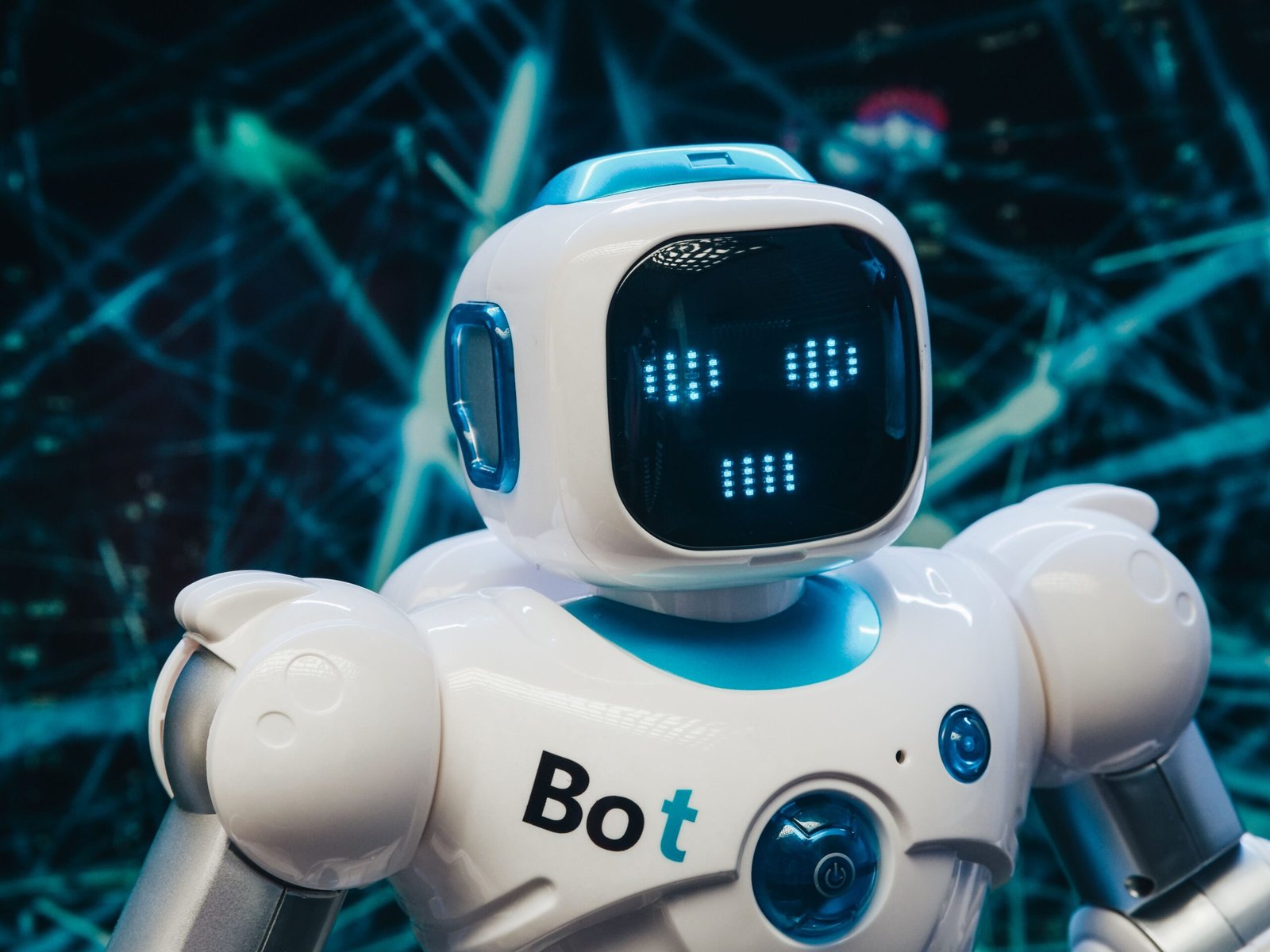
Education Artificial Intelligence: How AI Is Changing Schools and Learning
Introduction to Artificial Intelligence in Education
Artificial intelligence is transforming education into a daily tool for learning. From chatbots that answer student questions at midnight to adaptive apps that adjust math problems in real time, education AI is already part of how millions of people learn. Since the release of ChatGPT in November 2022, the conversation around artificial intelligence in education has moved from “someday” to “right now.”
- School leaders, teachers, and families started paying serious attention to ai in education after generative ai tools became widely available in 2022 and 2023. Suddenly, students could generate essays, solve problems, and create images with a few clicks.
- Today, ai technologies are used across K-12 and higher education for lesson planning, giving feedback, translating content, and analyzing student data.
- Seven in ten students now use generative ai tools for homework and academic tasks, making this a topic every educator and parent needs to understand.
- The goal of this article is to help you understand the benefits, risks, and best practices of artificial intelligence ai in schools, colleges, and universities.
What Does AI in Education Mean Today?
In simple terms, artificial intelligence in education refers to machines that can learn from data and then make suggestions or decisions to support teaching and learning.
- Recommendation systems suggest the next lesson or resource based on what a student has already completed.
- Predictive analytics flag students who may be falling behind, helping educators step in early.
- Generative ai can create text, images, quizzes, and reading passages on demand.
- Chatbots answer student questions around the clock, acting as virtual tutors.
- Many tools used daily in classrooms, like adaptive math platforms and language learning apps, already include ai even if teachers do not call them ai tools.
- Ai systems learn from large amounts of student data such as clicks, answers, time spent on each task, and assessment scores.

Examples of AI Tools Used in Schools and Higher Education
Here are some of the most common ai powered tools showing up in educational contexts today.
- Since 2022, students and teachers have started using generative ai tools like ChatGPT, Google Gemini, Microsoft Copilot, Claude, and image generators like DALL·E and Canva’s AI features.
- Common classroom uses include drafting lesson plans, generating practice questions, creating reading passages at different levels, and providing instant language translation.
- In higher education, ai tools support admissions processing, tutoring systems, plagiarism and AI-writing detection, and research assistance in fields like data science and business.
- Ai tools can generate visuals to explain complex concepts for better understanding, helping students grasp ideas that are hard to put into words alone.
- These tools should support teachers and professors, not replace them, and must be guided by clear school or university policies.
The Benefits of Artificial Intelligence in Education
When used with intention and strong teaching, ai offers real advantages for students, educators, and entire school systems. A 2025 systematic review identified over 22 categories of benefits, spanning cognitive gains, motivation, and teacher-reported improvements.
- Ai enhances personalized learning by adjusting content automatically, matching difficulty, pace, and content type to each learner based on their answers and progress.
- Ai tools help teachers save time on planning tasks by automating routine work like drafting lesson outlines, grading simple quizzes, and generating rubrics or feedback templates.
- Ai tools improve accessibility for students with disabilities and multilingual learners through real-time translation, captioning, text-to-speech, and reading support.
- Ai tools can identify academic concerns early by detecting patterns in student data, giving school leaders data driven insights to spot trends, gaps, and learners who need extra help.
- Ai enhances personalized learning by targeting student support, and it can help students build future skills such as problem-solving, coding basics, data literacy, and critical thinking when used in project-based activities.
Personalized Learning and Immediate Feedback
- Ai provides immediate feedback to students on their work, whether they are solving math problems, writing short answers, or debugging code. This helps students correct mistakes right away instead of waiting days for a graded paper.
- Ai programs adjust difficulty based on student performance. When a student struggles, the system can recommend extra practice, short videos, or easier explanations. When a student is ready for a challenge, it moves them forward.
- Adaptive ai can keep learners motivated and provide 24/7 support through virtual tutors, so student learning does not stop at the classroom door.
- Teachers still decide which ai feedback is useful and how to adjust instruction based on what the system shows. The human role stays central.
Reduced Teacher Workload and Better Use of Time
- Teachers can use generative ai to create first drafts of lesson plans, parent emails, quizzes, and project ideas, then edit them to fit their students. Ai can save teachers hours of planning time daily.
- Grading objective questions and organizing data from assessments into simple reports or dashboards becomes faster, freeing educators to focus on what matters most.
- When ai handles time consuming tasks, teachers can spend more time on small-group teaching, feedback conferences, and building relationships with students.

Increased Accessibility and Inclusion
- Ai supports multilingual learners with instant translation features, helping new arrivals and multilingual families understand school information and classroom content.
- Ai removes barriers for multilingual learners and struggling readers. Students with visual, hearing, or reading difficulties can use ai-supported tools for audio descriptions, captions, and simplified reading passages.
- Inclusive design means testing ai tools with diverse learners and making sure interfaces are simple and mobile-friendly so every student can access the same learning environments.
The Risks and Limits of Education AI
Ai brings serious risks that educators and administrators must take seriously. No tool is perfect, and rushing into adoption without planning can cause real harm.
- Many ai systems collect large amounts of student data, which raises questions about who owns the data, how long it is stored, and who can see it. Data privacy must be a top concern.
- Ai tools can produce inaccurate or misleading outputs. Generative ai sometimes creates confident but wrong statements, so students and teachers must always check important facts.
- Ai may lead to over reliance on technology in classrooms. Students may be tempted to let ai tools do their thinking, writing, and homework, which can weaken critical thinking and academic honesty.
- Ai systems can reflect bias present in the data they were trained on. One study of automated essay scoring found that essays from Black students scored on average 0.27 standard deviations lower than comparable essays from white students, even after controlling for writing quality.
Data Privacy and Security Concerns
- Ai tools often store text, voice, or video data on external servers, sometimes outside the country where the school is located.
- School leaders must consider laws like FERPA in the United States or GDPR in the European Union when choosing ai tools for their educational institutions.
- Ai tools must ensure clear expectations for privacy and accuracy. Schools need clear privacy policies, data-sharing agreements with vendors, and regular security checks to protect student information.
- Families need clear assurances about data collection and usage. They should receive easy-to-read notices about what data is collected, how it is used, and how to opt out when possible.
Implementation Challenges and Professional Development Needs
- Fast adoption of ai tools in 2023 and 2024 left many teachers with tools but little training on how to use them well in educational contexts.
- Effective ai use requires ongoing professional development for educators, not one-time workshops. Training should cover both technical skills and classroom practice.
- Ai tools must be implemented with clear guidance and support. Districts and universities should provide simple guidelines and sample classroom policies so that expectations are clear for students, teachers, and families.
- School leaders should set realistic timelines, start with small pilots, and gather teacher feedback before scaling ai programs across the education system.
Over-Reliance on Technology and Impact on Learning
- Constant use of generative ai for homework, essays, and assignments can reduce students’ own writing and problem-solving practice. Ai should support learning, not replace student effort.
- Teachers may trust ai-generated content or grading too much, which may lead to errors and unfair evaluations. Human intelligence and judgment must stay in the loop.
- Classroom strategies such as “AI-free” tasks, in-class writing, oral exams, and visible thinking routines help balance ai use with real student learning.
- The goal is to keep human judgment, discussion, and hands-on work at the center of learning, with ai serving as a support tool only.
AI Literacy for Students, Teachers, and School Leaders
Ai literacy means understanding what ai can and cannot do, how it works at a basic level, and how to use it safely and ethically. International bodies like UNESCO and the OECD have called for ai literacy to be part of core education for all students.
- Ai literacy includes skills like asking good prompts, checking sources, spotting bias, and protecting data privacy.
- Teachers and school leaders also need ai literacy so they can select tools, write policies, and model responsible use for students.
- Without literacy, even the best educational technology can be misused or misunderstood.
Core Elements of AI Literacy
- What data is, how models learn from data, how predictions and recommendations are made, and why no ai system is perfect.
- Ethical topics: fairness, bias, transparency, consent, and the environmental cost of large ai models.
- Basic safety practices: not sharing personal information with ai tools, checking the age limits of platforms, and logging out of shared devices.
- These core ideas can be adapted into lessons at different grade levels without deep technical math.
Teaching AI Literacy Across Subjects
- In English or language arts, students can explore ai-written text to find patterns, errors, or lack of voice. In Social Studies, classes can discuss ai and jobs or how algorithms shape news.
- In Math, students can look at simple data sets to see how bias appears. In Computer Science, they can build small rule-based chatbots or experiment with prompts.
- Project ideas include students comparing ai search results to trusted sources, or helping create simple “AI use policies” for their own classrooms.
- Cross-curricular units let students connect ai to real issues like climate change, health, or media literacy.

Guidance for School Leaders and Policymakers
School leaders are the key decision-makers who must balance innovation and safety when adopting ai across their schools.
- Leaders should create a clear vision for how ai supports the school or district’s learning goals, not adopt ai just because it is new.
- Creating or updating policies on acceptable use, data protection, academic integrity, and teacher use of generative ai is essential.
- Including teachers, students, and families in planning groups or advisory committees helps build trust and catches problems early.
Developing Responsible AI Policies
- Write short, readable ai guidelines that cover privacy, accuracy checks, acceptable use during exams, and consequences for misuse.
- Align school policies with national or regional frameworks, such as the U.S. Executive Order 14277 on AI Education signed in April 2025, or similar EU recommendations.
- Review ai policies at least once a year as tools, laws, and classroom practices change.
- Policies should clearly state that ai supports, but does not replace, teachers and human relationships in schools. Responsible use starts at the top.
Investing in Professional Development
- Effective ai adoption requires ongoing professional development for teachers, support staff, and school leaders, not just quick tool demos.
- Training topics should include basics of ai, classroom use cases, prompt writing, checking ai outputs, and supporting students who over-rely on ai.
- Offer different formats: in-person workshops, online courses, coaching cycles, and small peer learning groups.
- Give teachers time during the school year to experiment with ai tools and reflect on what works in their own instruction and curriculum.
The Future of AI in Education and Work
Ai is already changing the job market, and the education system must prepare students for this new reality. By 2027, 83 million jobs will become obsolete globally, while 69 million new jobs will emerge in ai and sustainability, according to the World Economic Forum.
- Students will need a mix of technical skills like basic coding, data handling, and proficiency in technology design and programming.
- Future skills include analytical thinking, resilience, and flexibility. Students need problem-solving capabilities and social-emotional competencies alongside their technical knowledge.
- Higher education and vocational programs are starting to add courses on ai, data science, and ethics to respond to labor market demand.
Preparing Students for an AI-Rich Workplace
- Group projects using ai tools to solve real problems in the community or simulate business and science tasks help build future-ready skills.
- Teach students to work with ai as a partner: planning tasks, using ai for drafts or ideas, and then improving the output with their own ability and knowledge.
- Career paths related to ai include machine learning engineer, data analyst, ai ethics officer, and roles that mix ai with fields like health, law, and education. Preparing the next generation means helping them harness ai, not fear it.
Role of Research and International Collaboration
- Many findings about ai in education appear in peer-reviewed sources such as the international journal of Artificial Intelligence in Education and other education research publications.
- Schools can learn from international projects supported by organizations like UNESCO and the European Commission. For example, the UAE rolled out its first national AI curriculum across all grade levels in 2025-2026, training over 1,000 teachers to reach nearly one million students.
- Educators should follow up-to-date research, share their own classroom results, and join networks that discuss ai in education practice and policy.
Conclusion: Using AI in Education With Purpose, Not Hype
Artificial intelligence in education holds real promise for personalization, access, and efficiency. But it also brings risks around privacy, over reliance, and fairness that demand careful attention. The answer is not to ban ai or to adopt every new tool without thinking. The answer is balance.
- Ai should enhance teaching and enhance learning, not replace teachers, human relationships, or critical thinking in K-12 and higher education.
- Build ai literacy across your school community. Ask careful questions about every tool. Integrate ai with clear, simple rules for student support and responsible use.
- Start small. Test one tool in a pilot. Gather feedback from educators, students, and families. Share what you learn with others.
- The future belongs to learners and leaders who use ai with purpose, keep people at the center, and never stop asking whether the technology is truly supporting students.