

Turkey’s Erdogan Visits Trump Amid Rising US-Turkey Diplomatic Challenges
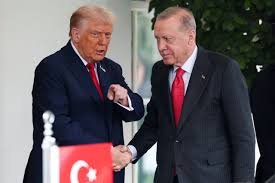
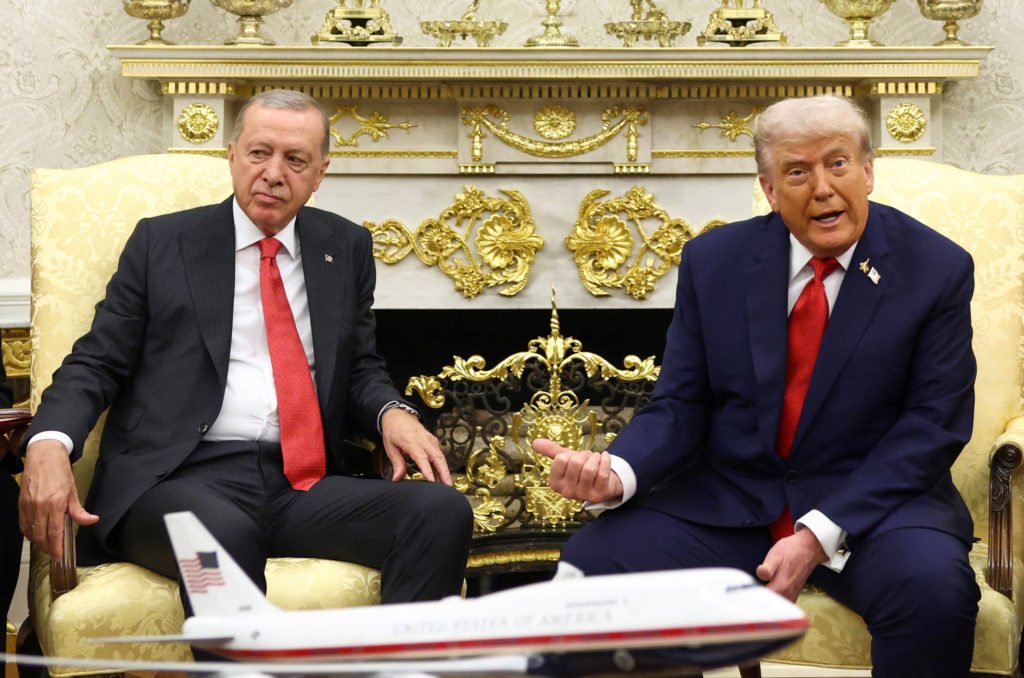
Erdogan Visits Trump After US-Turkey Diplomatic Tension: A Potential Turning Point in Bilateral Relations
The recent visit of Turkish President Recep Tayyip Erdogan to meet U.S. President Donald Trump has captured international attention, marking a significant moment in the evolving relationship between Turkey and the United States. Coming after months of diplomatic disagreements and political tensions, the meeting has sparked discussions about whether both nations are prepared to move beyond past disputes and work toward a more cooperative future.
As two influential NATO allies, Turkey and the United States share strategic interests in regional security, trade, defense cooperation, and global stability. However, differing foreign policy priorities and regional challenges have tested the strength of their partnership in recent years. Erdogan’s visit to Trump is therefore being viewed as an important diplomatic effort aimed at restoring trust and opening new channels of communication.
A Meeting Watched Around the World
The Erdogan-Trump meeting attracted attention from governments, investors, and international observers alike. High-level diplomatic meetings between world leaders often serve as indicators of future policy directions, and this encounter was no exception.
Political experts noted that the meeting came at a time when both countries face complex geopolitical challenges. The discussions provided an opportunity for both leaders to address areas of disagreement while also exploring opportunities for collaboration.
Many analysts believe that face-to-face diplomacy remains one of the most effective tools for easing tensions between nations. By engaging directly, leaders can clarify positions, reduce misunderstandings, and establish a foundation for future negotiations.
Background of US-Turkey Diplomatic Tensions
Relations between Washington and Ankara have experienced periods of strain over several key issues. Differences in foreign policy approaches, defense strategies, and regional alliances have occasionally complicated the relationship between the two countries.
While both nations remain committed members of NATO, disagreements have emerged over how to address security concerns in the Middle East and surrounding regions. Various diplomatic disputes have contributed to uncertainty regarding the future direction of bilateral ties.
Economic issues have also played a role in shaping relations. Trade policies, sanctions, and investment concerns have periodically affected cooperation between the two governments. Despite these challenges, both sides have consistently emphasized the importance of maintaining a strong partnership.
The meeting between Erdogan and Trump reflects a mutual recognition that continued dialogue is necessary to prevent disagreements from undermining broader strategic interests.
Security Cooperation Remains a Priority
One of the most important topics expected to dominate discussions is security cooperation. Both Turkey and the United States face evolving threats that require coordination and intelligence sharing.
Turkey occupies a strategically important location between Europe, Asia, and the Middle East. This geographic position makes the country a key player in regional security matters. The United States, meanwhile, continues to maintain significant security interests across multiple regions.
Counterterrorism efforts, border security, military coordination, and regional stability remain critical issues for both governments. Security experts argue that maintaining open communication channels is essential for addressing shared threats effectively.
The meeting offered an opportunity for both leaders to reaffirm their commitment to cooperation in areas where their interests align.
Economic Opportunities and Trade Relations
Beyond political and security concerns, economic cooperation remains a major component of US-Turkey relations. Trade between the two countries supports businesses, creates jobs, and contributes to economic growth on both sides.
Turkey has actively sought to attract foreign investment and strengthen economic partnerships with major global economies. Improved diplomatic relations with the United States could encourage additional investment opportunities and boost market confidence.
American businesses also view Turkey as an important market due to its large population, strategic location, and growing economic sectors. Industries including technology, manufacturing, energy, and infrastructure continue to offer opportunities for collaboration.
Financial analysts often point out that stronger diplomatic ties can create a more stable business environment. Investors typically favor predictable political relationships, making diplomatic progress an important factor in economic decision-making.
Regional Issues on the Agenda
Regional developments are likely to remain a central focus of discussions between Erdogan and Trump. Ongoing conflicts, geopolitical rivalries, and security concerns across neighboring regions continue to influence the foreign policies of both nations.
The Middle East remains one of the most strategically important regions in the world, and both Turkey and the United States have significant interests there. Stability in the region affects energy markets, migration patterns, security operations, and international trade routes.
The Black Sea region and Eastern Mediterranean have also emerged as areas of growing geopolitical importance. As regional dynamics continue to evolve, cooperation between Ankara and Washington could play a crucial role in maintaining stability.
Experts suggest that identifying areas of common interest may help both countries overcome disagreements and pursue practical solutions to shared challenges.
NATO and Strategic Partnership
Turkey’s role within NATO remains a key aspect of its relationship with the United States. As one of the alliance’s most important members, Turkey contributes significantly to collective security efforts.
The United States has long regarded Turkey as a critical strategic partner due to its military capabilities and geographic position. Despite periodic tensions, both countries continue to recognize the value of their alliance.
Strengthening cooperation within NATO could become an important outcome of improved diplomatic engagement. Shared commitments to defense, security, and international stability provide a strong foundation for future collaboration.
Analysts believe that both governments understand the broader importance of maintaining unity among alliance members, particularly during periods of global uncertainty.
Global Reactions to the Visit
International reactions to Erdogan’s visit have been mixed but largely focused on its potential implications for regional stability. Many governments welcomed the willingness of both leaders to engage in direct dialogue.
Diplomatic experts argue that communication between major allies is essential, even when disagreements exist. Constructive engagement can help prevent tensions from escalating and create opportunities for compromise.
Financial markets also monitored the meeting closely. Positive developments in diplomatic relations often influence investor sentiment, trade expectations, and economic forecasts.
Observers from Europe, the Middle East, and Asia continue to watch for signs that the discussions could lead to broader diplomatic initiatives in the months ahead.
Looking Toward the Future
While a single meeting is unlikely to resolve every challenge facing US-Turkey relations, it may represent an important step toward rebuilding trust. Long-term diplomatic progress typically requires sustained engagement, mutual understanding, and practical policy cooperation.
Both Turkey and the United States have strong incentives to maintain a productive relationship. Cooperation in security, trade, energy, and regional diplomacy offers benefits that extend beyond bilateral interests.
The coming months will reveal whether the Erdogan-Trump meeting produces meaningful outcomes. Future negotiations, policy announcements, and diplomatic initiatives will provide clearer indications of the direction both countries intend to pursue.
Conclusion
Erdogan’s visit to Trump comes at a critical moment for US-Turkey relations. Following a period of diplomatic tension, the meeting demonstrates a willingness on both sides to engage in dialogue and explore opportunities for cooperation.
As global challenges continue to evolve, strong communication between major allies remains essential. Whether focused on security, economic growth, or regional stability, the relationship between Turkey and the United States will continue to play an important role in international affairs.
While significant challenges remain, the meeting offers hope that diplomacy can help bridge differences and create a path toward a more stable and productive partnership. For policymakers, investors, and global observers, the outcome of these discussions may have implications far beyond the borders of either nation.