

The Oil Market Mystery: Clandestine Flows in the Strait of Hormuz
Introduction: A New Reality in Global Oil Supply
The Strait of Hormuz has long been recognized as a crucial conduit for global oil supplies, with around 20% of the world’s petroleum passing through this narrow waterway. However, the ongoing geopolitical tensions, particularly the military confrontations involving Iran, have ushered in a new reality that threatens to destabilize this vital channel. The war with Iran has created an atmosphere of uncertainty, leading to fears of severe disruptions in oil flows. Reports of potential leaks and strategic threats to vessels traversing the strait have raised alarms among oil traders and consumers alike.
As hostilities continue, market participants are grappling with the complexities of supply chains that once appeared stable. Initial expectations predicted dramatic spikes in oil prices as concerns over security intensified. Such projections were fueled by the prospect of oil tankers encountering difficulties or suffering from leaks, which could severely limit the traffic in this critical maritime route. However, contrary to many predictions, the oil market has exhibited a level of resilience.
This paradox can be attributed to multiple factors. For one, several nations have strategically increased their reserves, preparing for potential crises. Additionally, alternative supply routes and domestic production efforts outside of the Gulf region have softened the blow of any potential disruptions. While the strait remains a hotspot of anxiety over oil supply and pricing, the global market has adapted, allowing prices to stabilize despite the looming threat of heightened tensions in Hormuz.
In conclusion, the evolving dynamics in the Strait of Hormuz reflect a complex interplay between geopolitical factors and market adaptability. The long-term implications of these events on global oil supply and pricing are still unfolding, marking a period of uncertainty and strategic adjustments for nations dependent on this vital resource.
Understanding the Strait of Hormuz: A Geopolitical Hub
The Strait of Hormuz serves as a crucial conduit for global oil transportation, connecting the Persian Gulf with the Gulf of Oman and the Arabian Sea. This narrow waterway, measuring just 21 miles at its narrowest point, stands as the strategic passage through which a significant percentage of the world’s oil supply is transported. Statistically, more than 20% of the world’s oil traded by sea flows through this vital strait, amounting to approximately 17 million barrels per day. This volume underscores the geopolitical importance of Hormuz in the global energy landscape.
Given its pivotal role in oil exports, any disruptions or blockades in the Strait of Hormuz can have profound implications for international energy markets. For instance, any oil leaking or encountering transportation issues in this area can lead to immediate spikes in crude oil prices on the global market, and create a ripple effect impacting economies dependent on this oil supply. Moreover, the potential for conflict in the region often raises concerns about the stability of these vital oil shipments. Increased tensions often result in heightened security measures, additional naval deployments and a resulting decline in maritime traffic.
The current geopolitical climate continues to pose challenges for the Strait of Hormuz, particularly concerning maritime security and trade flow. Blockades or restrictions, fueled by a myriad of geopolitical disputes, have led to fluctuating levels of oil entering global markets, influencing prices and supply stability worldwide. It is essential for stakeholders in the energy sector to closely monitor developments in this region. The operational integrity of this strait directly impacts not only oil exporters and importers but also the broader economics of global energy consumption.
War and Blockade: Impact on Oil Supplies
The Strait of Hormuz holds significant strategic importance for oil transportation, as approximately a fifth of the world’s petroleum passes through this narrow maritime corridor. However, ongoing geopolitical tensions and conflicts with Iran have led to heightened risks for oil supplies in this critical region. The blockade or perceived threats in the Strait have profoundly affected logistics and shipping routes traditionally used in the oil trade.
Due to the escalating conflict, many oil producers have had to rethink their supply chains to mitigate risks associated with potential disruptions. Tensions have led to an increase in insurance premiums for vessels operating in the strait, which has in turn raised the overall cost of oil transportation. Suppliers are often compelled to seek alternative routes, which may involve longer transit times and higher shipping costs. Such adjustments not only affect the price per barrel of oil but can also create delays that ripple through global markets.
Additionally, the risk presented by the possibility of military encounters has necessitated the implementation of enhanced security measures for tankers navigating through the strait. Increased naval presence, both from local forces and international coalitions, underscores the gravity of the situation. While these measures aim to ensure safe passage, they also contribute to an increased level of operational complexity and unpredictability in oil shipments, further impacting supply chains.
In light of the blockade and the ongoing uncertainties associated with the war, the oil market has experienced volatility. This instability is a major concern for consumers and producers alike, as countries reliant on oil from the region must navigate these challenges. Understanding the intricate dynamics at play in the Strait of Hormuz is essential for grasping how this conflict has resulted in significant implications for global oil supplies.
The Mystery of Calm Oil Markets: What’s Behind It?
The current stability observed in oil prices, particularly amidst the backdrop of significant events occurring in the Strait of Hormuz, has raised eyebrows within the financial community. The Strait of Hormuz is a critical passage for global oil shipments, and disruptions in this region commonly lead to heightened volatility in oil prices. However, the contradicting phenomenon of stable oil markets prompts an exploration into the underlying factors contributing to this resilience.
One theory posits that the existing reserve capacities maintained by major oil-producing nations serve as a buffer against potential supply shocks. These reserves enable countries to navigate through periods where production may be hindered, thus stabilizing market prices despite geopolitical tensions. Furthermore, countries such as the United States have expanded their domestic production capabilities, creating alternative sources of oil that can alleviate reliance on Middle Eastern supplies and provide additional leverage in the face of disruptions.
Market speculation also plays a pivotal role in this context. Traders and investors may anticipate future developments within oil-rich regions like the Strait of Hormuz, leading to a cautious approach where they adjust their strategies based on expected supply needs rather than immediate market conditions. This allows for a form of psychological fortitude within the oil markets, where participants believe that any temporary disruptions are manageable in the broader scheme of oil supply and demand.
Moreover, the global shift towards renewable energy sources and efficiency measures in gasoline consumption has created an environment where the overall dependence on fossil fuels, and consequently oil, may be decreasing. This trend aids in tempering the fluctuations typically associated with oil markets, further contributing to the observed stability.
Clandestine Flows: The ‘Ghost’ Tankers Explained
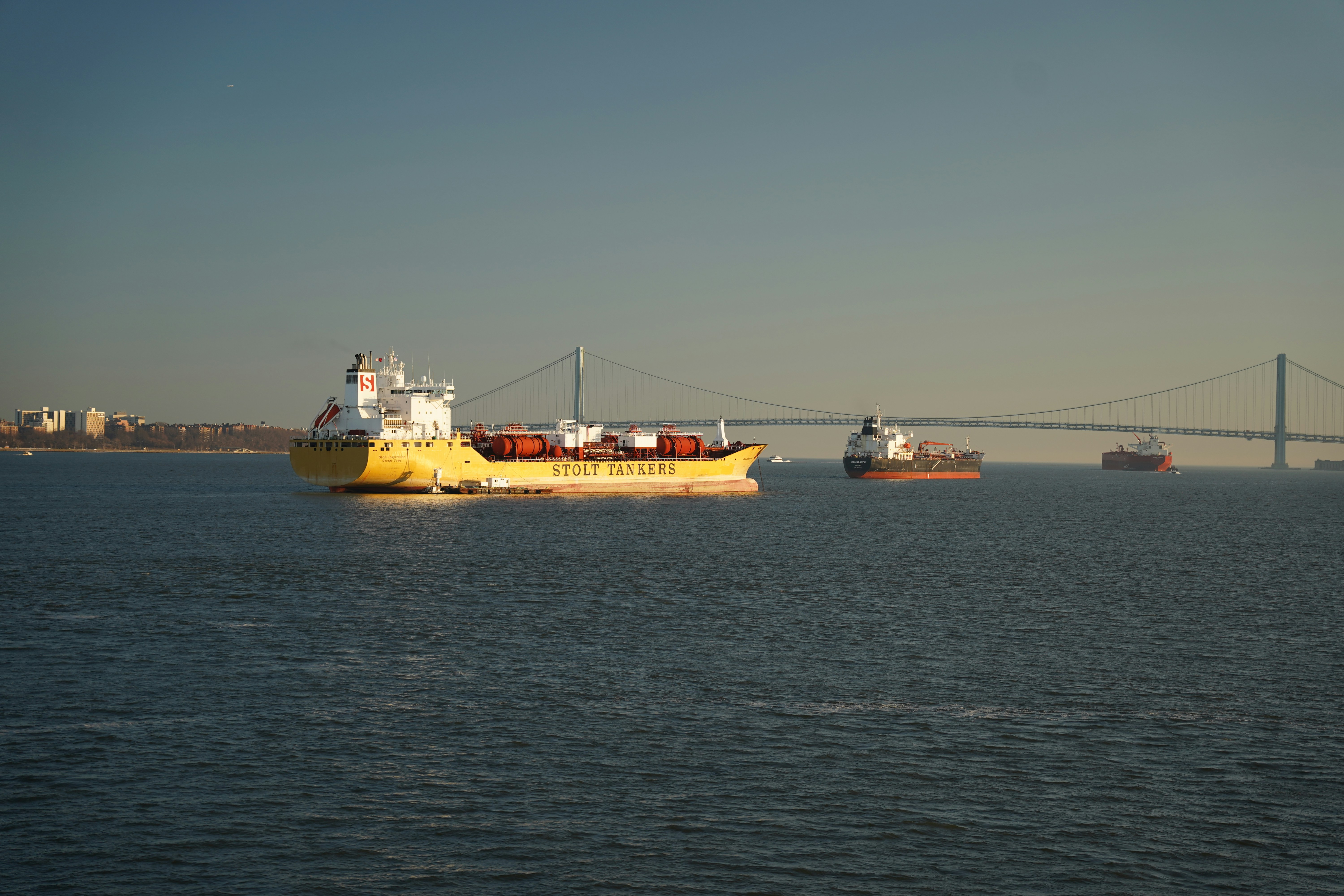
In recent years, the Strait of Hormuz has gained notoriety for its critical role in the global oil market, serving as a transit route for a significant portion of the world’s oil supply. Amid geopolitical tensions and blockades, the phenomenon of clandestine oil flows has emerged, epitomized by the so-called ‘ghost’ tankers that navigate these waters. These tankers, characterized by their discreet operations, often avoid detection and engage in the covert transportation of oil.
One of the primary methods used by these tankers to evade scrutiny involves switching off their Automatic Identification Systems (AIS) transponders, which makes tracking their movements nearly impossible. Without this crucial technology, they can maneuver through the hormonal strait, avoiding naval patrols and potential interceptions. This tactic has become increasingly common, enabling the clandestine transportation of oil without attracting the attention of international authorities or disrupting local economies.
These ghost tankers typically originate from nations facing sanctions or struggling with trade restrictions, most often found in conflict zones. The oil they carry, often illegally sourced, is usually rerouted to markets that may be otherwise inaccessible. Estimates indicate that significant quantities of oil flow through the strait using these clandestine methods, with various analysts suggesting that the amount could be in the hundreds of thousands of barrels per day. This high level of illicit activity underscores the ongoing challenges in monitoring global oil flows and the implications for international energy security.
Moreover, this behavior raises questions about transparency in the global oil market. As more tankers adopt such evasive maneuvers, the likelihood of conflicting reports regarding oil stocks and supply levels increases. A clear understanding of these clandestine flows is essential for stakeholders seeking to comprehend the dynamics at play within the Strait of Hormuz and their broader impact on global energy policies.
Quantifying the Clandestine Oil Flows
Recent analyses from esteemed financial institutions, including JP Morgan, have sought to quantify the levels of clandestine oil flows in the strategically essential Strait of Hormuz. The stark reality of oil leaking through unofficial channels has raised concerns surrounding both global energy security and market pricing structures. In 2023 alone, estimates indicate that clandestine operations accounted for approximately 1.2 million barrels per day, a significant escalation compared to pre-war levels, which hovered around 0.5 million barrels per day. This increase elucidates the ongoing circumvention of traditional trade routes, primarily in response to heightened geopolitical tensions.
Furthermore, the implications of these clandestine flows extend beyond mere volume; they also serve to ameliorate potential supply shocks witnessed in the broader oil market. The segment of the oil economy engaging in clandestine activities has significantly contributed to mitigating the impact of sanctions and interruptions caused by military blockades within the region. By preserving a steady supply of petrol despite the precarious geopolitical landscape, this leakage of oil plays a crucial role in maintaining price stability across international markets.
To contextualize these figures within the historical framework of oil distribution through the Strait of Hormuz, one can observe that average daily volumes prior to the onset of conflict consistently exceeded 3 million barrels. Comparatively, the presence of clandestine flows in recent months indicates an adaptive response from key stakeholders as they navigate the complexities of operating within this tumultuous region. This data sheds light on the resilience and strategic ingenuity of operators working outside conventional norms, especially as the Strait remains a pivotal conduit for oil exports.
Expert Insights: Perspectives from the Industry
As the global oil market continues to experience unexpected fluctuations, the Strait of Hormuz has emerged as a focal point for industry analysts and experts. This critical waterway, which facilitates the transit of approximately 20% of the world’s oil supply, is laden with geopolitical significance, especially when considering the clandestine flows of oil that occasionally become apparent. Natasha Kaneva, a prominent market analyst, emphasizes the volatility induced by such illicit operations, asserting that their influence extends far beyond the immediate geographical locale.
Kaneva highlights that the leaking of information regarding clandestine oil movements often triggers significant reactions in the oil markets, impacting pricing structures both regionally and globally. When supplies from major oil-producing nations face operational disruptions or security threats, alternative routes, often deemed unofficial or hidden, come into play. These clandestine flows, although not publicly acknowledged, are crucial for maintaining a semblance of stability in an otherwise shaky market condition.
Bob McNally, a veteran in the field and founder of a consultancy firm, offers a complementary perspective. He notes that the unpredictability surrounding the Strait of Hormuz creates a significant risk premium on oil prices. This is particularly relevant in periods characterized by heightened tensions in the region. McNally posits that the potential for conflict or even more severe disruptions in oil supply often prompts traders to take preemptive measures, leading to price hikes that manifest rapidly on trading platforms.
Both experts agree that the future landscape of oil prices will be heavily influenced by regional stability and the presence of clandestine operations that may seek to circumvent established trading routes. The pulsating energy dynamics in the Strait of Hormuz will remain a topic of concern for industry participants and policymakers alike. Understanding these complex interplays will be essential as the oil market continues to evolve amid changing geopolitical contexts.
Potential Future Scenarios: Economic Implications
The Strait of Hormuz serves as a pivotal maritime corridor, with approximately a fifth of the world’s oil passing through it. Given its strategic importance, potential future scenarios regarding the Strait hold significant economic implications both regionally and globally. Escalating conflicts in this area could severely disrupt the flow of oil, leading to elevated prices that ripple throughout global markets. Should hostilities intensify, oil supply chains may be compromised, causing prices to soar as nations vie for alternate sources of crude. This situation would likely catalyze inflationary pressures, impacting economies reliant on affordable oil imports.
Conversely, if clandestine operations persist without escalation into open conflict, the economic ramifications may still be considerable. With the continued leakage of oil from various clandestine efforts, confidence in the market could be undermined, leading to speculative trading behaviors. Such uncertainty may prompt investors to seek refuge in safer assets, contributing to volatility across commodities. Oil companies operating in the region might also face increased operational costs and security concerns, further impacting production and, subsequently, supply.
On a more optimistic note, a peaceful resolution and the reopening of the Strait could stabilize oil markets. A de-escalation of tensions would likely restore investor confidence, leading to a return to pre-conflict trading patterns. Crude oil prices would potentially stabilize or decrease, providing relief to global economies that are currently stressed by rising energy costs. Moreover, the reopening of this vital route would facilitate easier transportation of petrol, thereby positively impacting trade balances for oil-importing nations.
In summary, the future scenarios surrounding the Strait of Hormuz are complex and multi-faceted, each with profound implications for the global economy. The intricate dynamics of oil prices, geopolitical tensions, and market stability must be continuously monitored to anticipate shifts in economic landscapes.
Conclusion: Navigating Uncertainty in Oil Markets
The complexities surrounding the Strait of Hormuz have profound implications for the global oil market. As a critical chokepoint for international oil traffic, any disruption, whether due to geopolitical tensions, leaks, or military activity, can significantly impact oil supplies worldwide. The recent reports of leaking oil in the region further complicate the scenario, as stakeholders must now consider the environmental and economic ramifications of such incidents alongside traditional supply concerns.
Furthermore, the rising volatility in oil prices underscores the interconnectedness of global energy markets. Countries reliant on the strait for their petrol supply must grapple with both immediate supply concerns and the long-term stability of energy pricing. The fluctuations reflect a delicate balance of demand and supply, heavily influenced by the developments in the Strait of Hormuz.
As we navigate through these uncertain times, it is essential for market analysts, policymakers, and businesses to monitor developments in the region closely. Understanding the geopolitics of oil transportation and the potential for leaks or spills can aid in risk management strategies and forecasting. The Strait of Hormuz remains a focal point for discussions about energy security, and its ongoing instability requires attention and preparedness from all parties involved. Overall, vigilance and proactive strategies will be critical as the world continues to rely heavily on oil from this pivotal waterway.

Hello