
Trump News at a Glance: Another Day of Controversy and Claims
Trump news at a glance: another day of Iran deal drama, strikes and Washington intrigue
Another volatile day in the iran war saga: president donald trump insists a peace deal with iran is within reach, Iranian officials push back, and military strikes continue to shadow every diplomatic move. Here is everything you need to know from 12 June 2026.
Today’s top Trump–Iran headlines at a glance
The day’s trump news centres on a single question: is a peace agreement actually close, or is the white house once again getting ahead of the facts? On 12 June 2026, the two sides remain publicly divided.
- Donald trump told reporters a draft memorandum of understanding with iran could be signed as early as next week, reopening the strait of hormuz and freezing nuclear enrichment.
- Iranian officials, including foreign ministry spokesperson Esmail Baghaei, stated that nothing has been finalized and that sensitive clauses on sovereignty and enforcement remain under negotiation.
- Reports indicate high expectations for a potential deal with iran over the weekend, though media reports from Tehran’s state tv struck a far more cautious tone.
- US central command completed strikes on military sites in iran earlier this week, even as ceasefire language circulates in draft texts.
- Asian markets surged and oil prices dipped on hopes of de-escalation, though analysts warn the threat of renewed conflict remains elevated.
News Anchor 24 brings you this curated coverage as the story develops.
Trump’s latest claim: peace agreement with Iran “almost done”
US president donald trump, speaking from the white house on 12 June and posting on truth social, reiterated that the us and iran are “on the verge” of ending hostilities. He trump claimed the iranian leadership had approved a draft agreement “in principle.”
The claimed deal would reopen the strait of hormuz without tolls, and while trump claims deal momentum is real, negotiations are still not final. It would also establish a 60-day framework for nuclear talks addressing iran’s enriched uranium stockpile, and offer phased sanctions relief tied to compliance. Negotiations include a timeline for demining the strait of hormuz. Trump stated iran will never have a nuclear weapon under any agreement his administration signs. Negotiations are mediated by Oman’s foreign minister, with discussions also involving pakistan and other regional actors.
Iran responded sharply. Iranian foreign ministry officials insisted no final deal with iran has been signed, and iran rejected the us proposal for a new nuclear deal on June 9. Israel confirmed it is not a party to the us-iran agreement, though it maintains close coordination with washington on the nuclear program file.
This follows trump’s early May 2026 trump claims deal that a peace agreement “could be signed in Europe within weeks.” The pattern is familiar: the us president elevates expectations, then iranian pushback delays progress. Still, us negotiators say this round is closer than any before, citing significant differences being narrowed on the highly enriched uranium question.
Timeline of 2025–2026 US–Iran peace talks and military strikes
Understanding today’s headlines requires walking through the key events since march 2025, when president trump’s letter to supreme leader Ayatollah Ali Khamenei proposed new nuclear negotiations and warned of serious military consequences if iran did not halt uranium enrichment.
On 7 March 2025, Khamenei publicly rejected the overture, calling it coercive. By April 2025, indirect peace talks began in Muscat and Rome, mediated by Oman, where iran’s three-step proposal on proxy groups met a cautious welcome from us envoy Steve Witkoff. These rounds addressed foreign relations, iran’s support for groups in lebanon, Iraq, Syria and Yemen, and the future of the nuclear program.
Escalation came swiftly. On 13 June 2025, israel launched strikes on Iranian nuclear and military sites. On 21 June 2025, the us conducted Operation Midnight Hammer, hitting Fordow, Natanz and Isfahan. A us-declared ceasefire followed on 24 June. Late 2025 and early 2026 Geneva rounds stalled over sanctions relief, enriched uranium stockpiles, and us demands for near-zero enrichment.
US strikes on iran occurred on February 28, 2026, reopening the military dimension. By April 2026, Islamabad hosted talks and a Pakistan-mediated ceasefire took effect. In May 2026, trump outlined five preconditions for a broader peace deal with iran: no nuclear weapon, reopening the strait, oversight of highly enriched uranium, curbs on proxy support, and expansion of the abraham accords framework across the middle east.
Key flashpoints: strikes, war crime concerns and civilian impact
Diplomacy and military action have moved in parallel, often undermining each other. On 10 June 2025, a us airstrike hit water storage infrastructure near the Bemani district close to the strait of hormuz, raising war crime concerns from human rights experts.
Iran’s military threatened severe retaliation against us attacks. Retaliatory Iranian missile and drone strikes targeted american bases in Bahrain, Kuwait and Jordan, using ballistic missiles and drones. An iranian drone attack injured an 11-year-old girl in Bahrain; three Indian sailors were killed in the Gulf of Oman. US forces fired on nine vessels in the Gulf this week.
During the 2026 ceasefire, “defensive” us military operations targeted missile sites in southern iran, including strikes near Jask, Sirik and Qeshm. Civilian infrastructure damage-water tanks, telecommunications towers-has been documented by Amnesty International. The humanitarian stakes remain enormous.
Inside the Trump administration’s Iran strategy
The trump administration’s foreign policy approach blends battlefield leverage with deal-making instinct. Key figures-Secretary of State Marco Rubio, special envoy Steve Witkoff, and Vice President J.D. Vance-often diverge over how america should use pressure, diplomacy, and regional leverage in dealing with Iran: some favour aggressive sanctions and military pressure, others push urgency on a binding iran deal to stabilise energy markets. The president has addressed national emergency concerns related to foreign threats, framing the conflict as existential.
Trump’s public red lines include no iranian nuclear weapon, strict limits on missile ranges, and curbs on iran’s support for proxy groups in lebanon and across the region. The administration’s push to expand the abraham accords aims to build a regional pressure bloc on Tehran, dangling normalisation incentives to Gulf states and North African country partners.
Domestic politics stories complicate flexibility. Republican hawks in Congress demand tougher terms; Democrats question war powers and humanitarian costs. Upcoming elections amplify every calculation, with unemployment remaining at 4.3% in May 2026 giving the white house some economic breathing room but rising energy costs threatening that stability.
Separately, the new york times surfaced reporting on internal administration tensions.
Iran’s negotiating stance and internal divisions
Supreme leader Khamenei’s February 2025 speech rejected trump’s initial terms, insisting on iran’s right to uranium enrichment under the Non-Proliferation Treaty. Hardliners in Tehran oppose any deal seen as capitulation, especially on the nuclear program and us foreign policy demands regarding missile capability.
Pragmatists, eyeing currency collapse and domestic unrest, argue compromise is necessary. Iran’s counter-proposals across Geneva, Muscat and Islamabad rounds demand an end to us-Israeli attacks, sovereignty over the strait, and phased sanctions relief. Parliamentary debates remain tense, with Speaker Ghalibaf backing Khamenei while protests over inflation pressure pragmatists toward concessions. The significant differences between the two sides remain real.
Beyond Iran: other Trump news today in Washington
The iran deal dominates, but the president’s agenda extends further. President trump nominated Jay Clayton, former us markets watchdog, as director of national intelligence after pushback over acting chief Bill Pulte. The white house is reviewing nominations to the Senate, and us officials signalled that confirmation hearings could begin within weeks.
Other developments from america’s capital:
- President trump signed new legislation aimed at funding border security measures.
- The trump administration is appealing a court ruling regarding the Kennedy Center.
- The white house is marking the 75th Anniversary of the White House Navy Mess.
- Melania Trump has launched a new savings and investment initiative for foster youth.
- Several states are opting out of the Great American State Fair initiative.
- President trump has taken action to restore American commercial fishing in the Pacific.
Republicans remain split over a defense-heavy spending bill tied to new voting restrictions, with key GOP lawmakers publicly breaking with the president. Democrats plan to call J.D. Vance to testify about the administration’s handling of Epstein files, citing transparency concerns.
Strange signals and symbols: the ‘8647’ mystery on the National Mall
A federal investigation is underway after the giant number “8647” was etched into grass near the Washington Monument, visible on live webcams. Online commentators speculate about Trump-related symbolism, but authorities have not confirmed any political motive. For now, it remains a curious footnote in a news cycle dominated by war and diplomacy.
Global reactions and the stakes for the Middle East
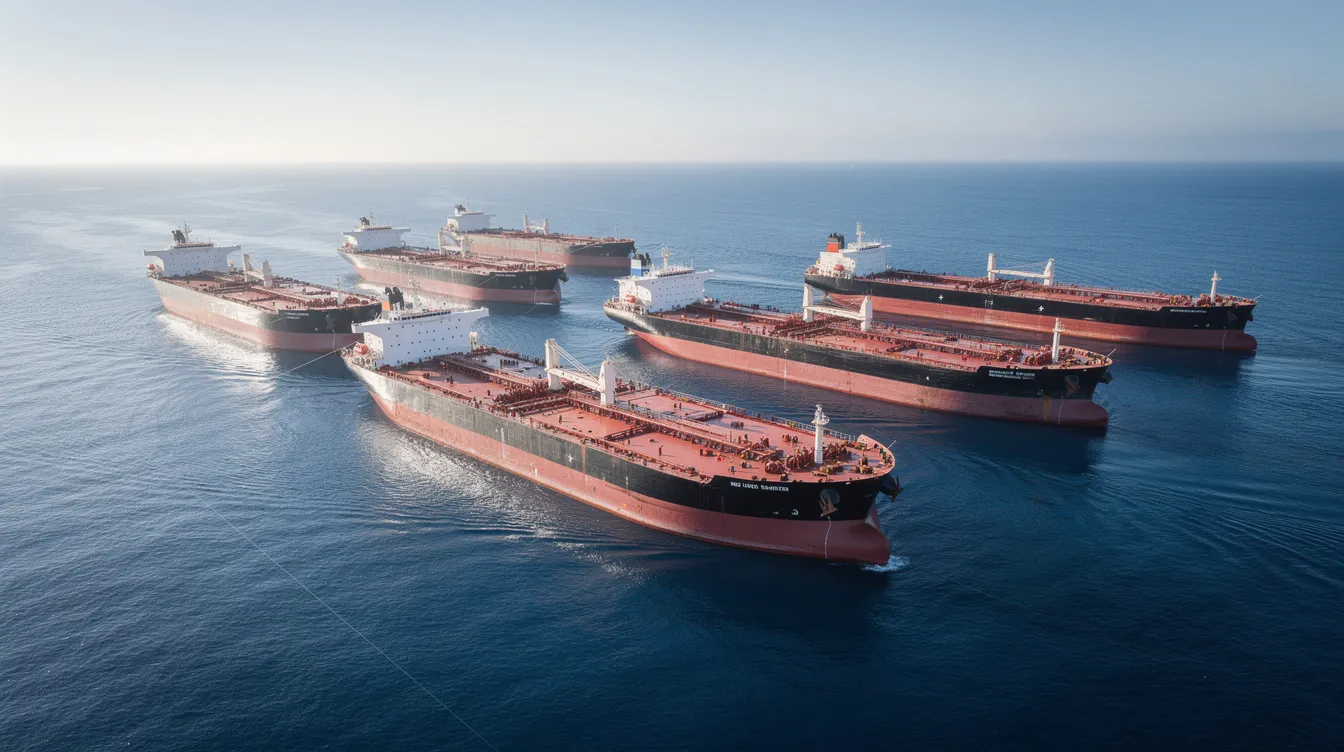
The world is watching. The UN Secretary-General, Russia, China, Turkey, India, pakistan and Saudi Arabia have urged de-escalation and protection of maritime security in the strait of hormuz. Nearly 20% of global oil and LNG transits pass through the strait-any disruption sends oil exports and energy prices into chaos.
Gulf monarchies want economic normalisation; israel demands strict nuclear limits; European powers push for multilateral verification. Iran has earlier warned that “either all can export oil or none will” if strikes continue-a threat that keeps global markets on edge. The conflict touches every corner of the region, from oil markets to refugee flows.
Experts caution that while a sustainable peace agreement is desirable, persistent military strikes, internal divisions, and unresolved compliance questions make any deal fragile.
What to watch next: Trump, Iran and US politics
For readers following this story beyond today’s headlines, here are the signals that matter:
- Next talks window: Indirect negotiations could resume in Geneva or Islamabad; a possible European signing ceremony is floated for next week.
- Congressional action: Votes on war powers authorisation and sanctions adjustments loom, shaping the president’s flexibility.
- Public opinion: Gas prices, casualty reports and elections coverage will influence both Republican and Democratic positioning.
- Conflict triggers: A breakdown of talks, new Israeli strikes, a serious incident in the strait, or a high-casualty attack on us or iranian forces could reignite the war overnight.
The next 72 hours could determine whether this latest round produces a signed text or another cycle of delays. Check News Anchor 24’s dedicated Trump and Middle East politics stories pages for live updates, deeper analysis and related coverage across foreign relations, business and energy markets.